Endometriosis: Ayurvedic Management and Natural Healing Options
Endometriosis is a condition that affects millions of women, often causing significant pain, heavy or irregular bleeding, and — for many — real concern about its impact on fertility. While modern medicine typically addresses endometriosis through hormonal management or surgical intervention, Ayurveda offers a complementary lens: one that looks at the condition as a deeper imbalance involving tissue growth, inflammation, and circulation, with treatment aimed at correcting the underlying pattern rather than only managing symptoms.

Endometriosis Through the Ayurvedic Lens: Vata-Kapha and Raktaja Granthi
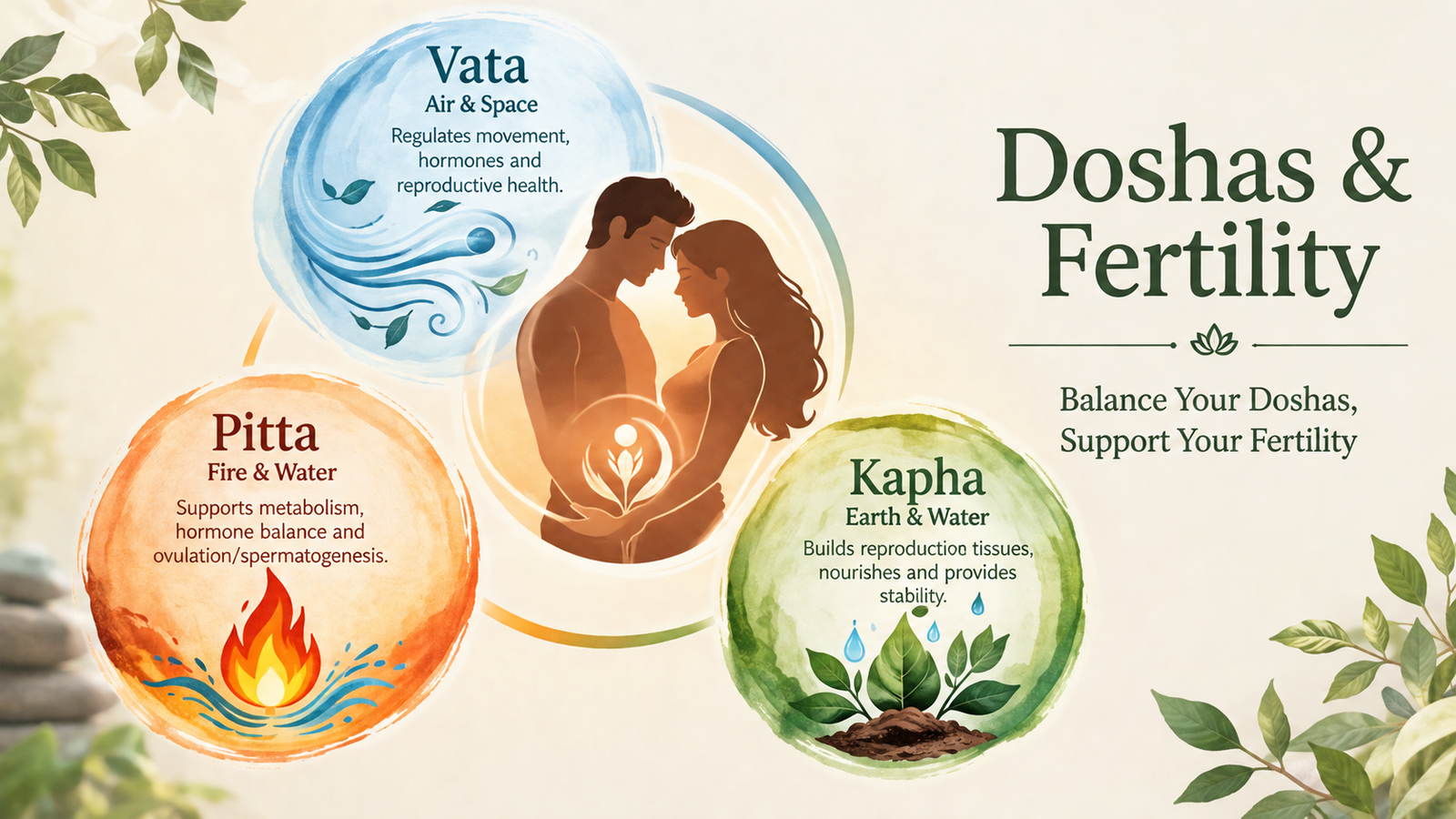
In Ayurveda, endometriosis is generally understood as a condition involving aggravated Vata and Kapha doshas working together in a particular way. Vata, governing movement, is implicated in the abnormal displacement of tissue — endometrial-like tissue growing and behaving outside its expected location. Kapha, governing structure and growth, is implicated in the abnormal proliferation of this tissue once displaced, contributing to the formation of lesions, adhesions, and cyst-like growths.
This combination is closely related to a classical Ayurvedic concept called Raktaja Granthi — literally, a tissue growth or nodule rooted in vitiated blood tissue (Rakta Dhatu). Endometriosis fits this description well: abnormal tissue growth associated with irregular bleeding patterns and inflammatory changes in the pelvic region. Ayurvedic texts describe Granthi formation as arising when doshas, particularly Vata and Kapha, combine with disturbed Rakta Dhatu to create abnormal, localized tissue masses — a description that maps closely onto the endometrial lesions and adhesions characteristic of the condition.
Understanding endometriosis this way shifts the treatment focus: rather than only addressing pain or bleeding symptoms, Ayurvedic management aims to correct the underlying Vata-Kapha imbalance and support healthier blood tissue quality, with the goal of reducing the abnormal tissue activity driving the condition.
Anti-Inflammatory Herbs: Guggulu and Turmeric
Because inflammation plays such a central role in endometriosis — both in symptom severity and in the tissue changes associated with the condition — anti-inflammatory herbs form a core part of Ayurvedic treatment.
Guggulu (Commiphora mukul) is one of Ayurveda’s most significant anti-inflammatory and Granthi-reducing herbs, traditionally used specifically for conditions involving abnormal tissue growth and nodule formation. It’s often included in classical formulations targeted at resolving Granthi-type conditions, working through its combined anti-inflammatory and mild detoxifying action to help reduce the abnormal tissue activity associated with endometriosis.
Turmeric (Curcuma longa), containing the active compound curcumin, is widely recognized for its anti-inflammatory and antioxidant properties, both in classical Ayurvedic use and in a substantial body of modern research. In the context of endometriosis, turmeric’s ability to help modulate inflammatory pathways makes it a valuable addition, potentially helping reduce the pain and inflammatory tissue response associated with the condition. It’s typically used consistently over time rather than as an acute pain reliever, working best as part of a sustained treatment protocol.
Basti Therapy for Pelvic Vata Correction
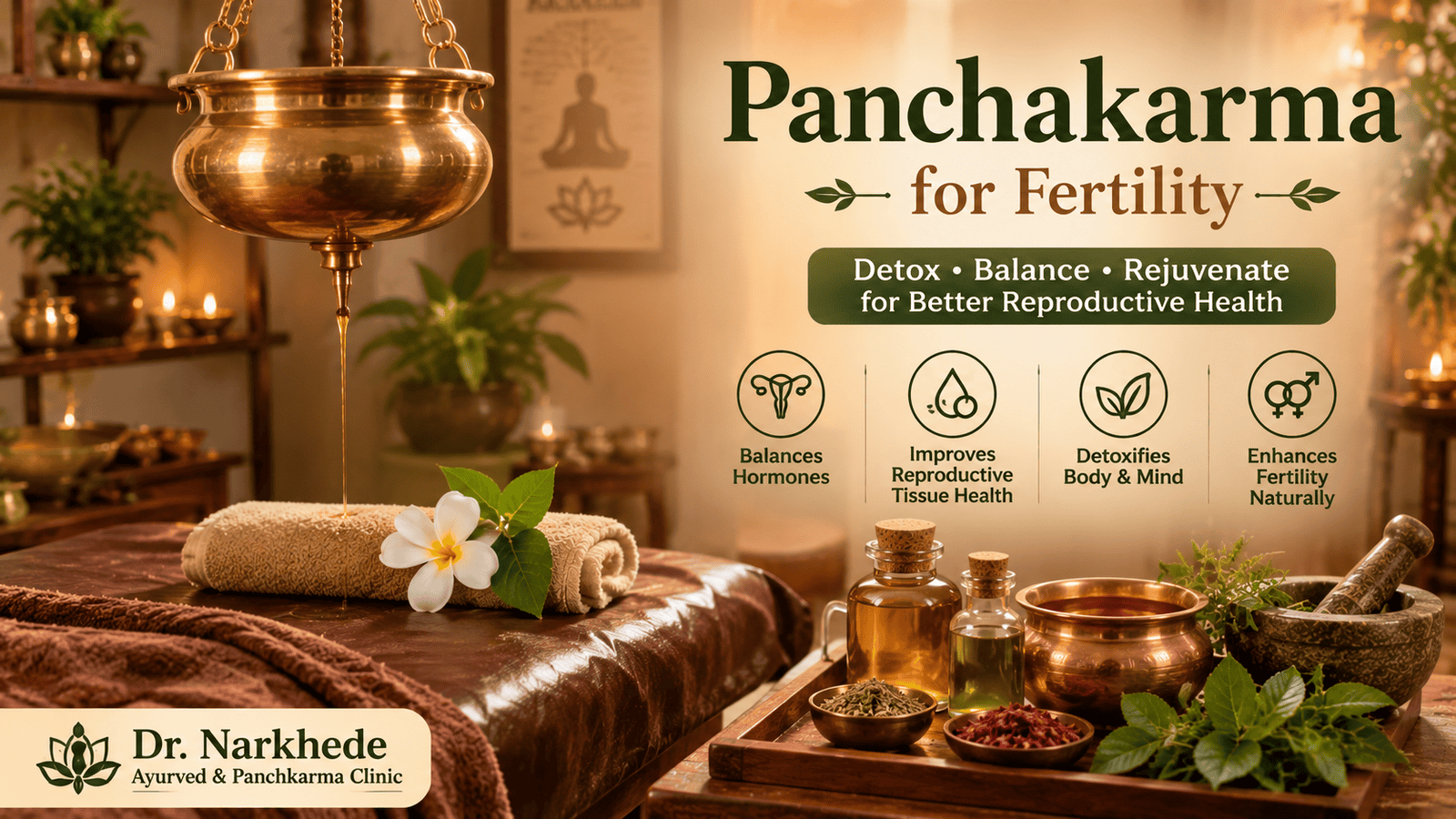
Given Vata’s central role in the displacement mechanism behind endometriosis, Basti therapy — Ayurveda’s medicated enema treatment — is frequently used as a core therapeutic intervention. Basti is considered the single most effective classical therapy for correcting Vata imbalance, and its application in endometriosis specifically targets the pelvic region where this displaced tissue activity occurs.
Medicated oils or herbal decoctions used in Basti are chosen based on the specific presentation — often selected for their combined Vata-pacifying and anti-inflammatory properties to address both the movement-related and inflammatory components of the condition simultaneously. Basti is typically administered in structured courses under practitioner supervision, often integrated alongside internal herbal treatment for a more comprehensive effect. Many practitioners find that correcting pelvic Vata through Basti also helps ease the pain and cramping that frequently accompany endometriosis, offering symptomatic relief alongside the deeper corrective action.
Dietary Anti-Inflammatory Guidelines
Diet plays a meaningful supporting role in managing the inflammatory component of endometriosis. General Ayurvedic guidelines for this condition typically include:
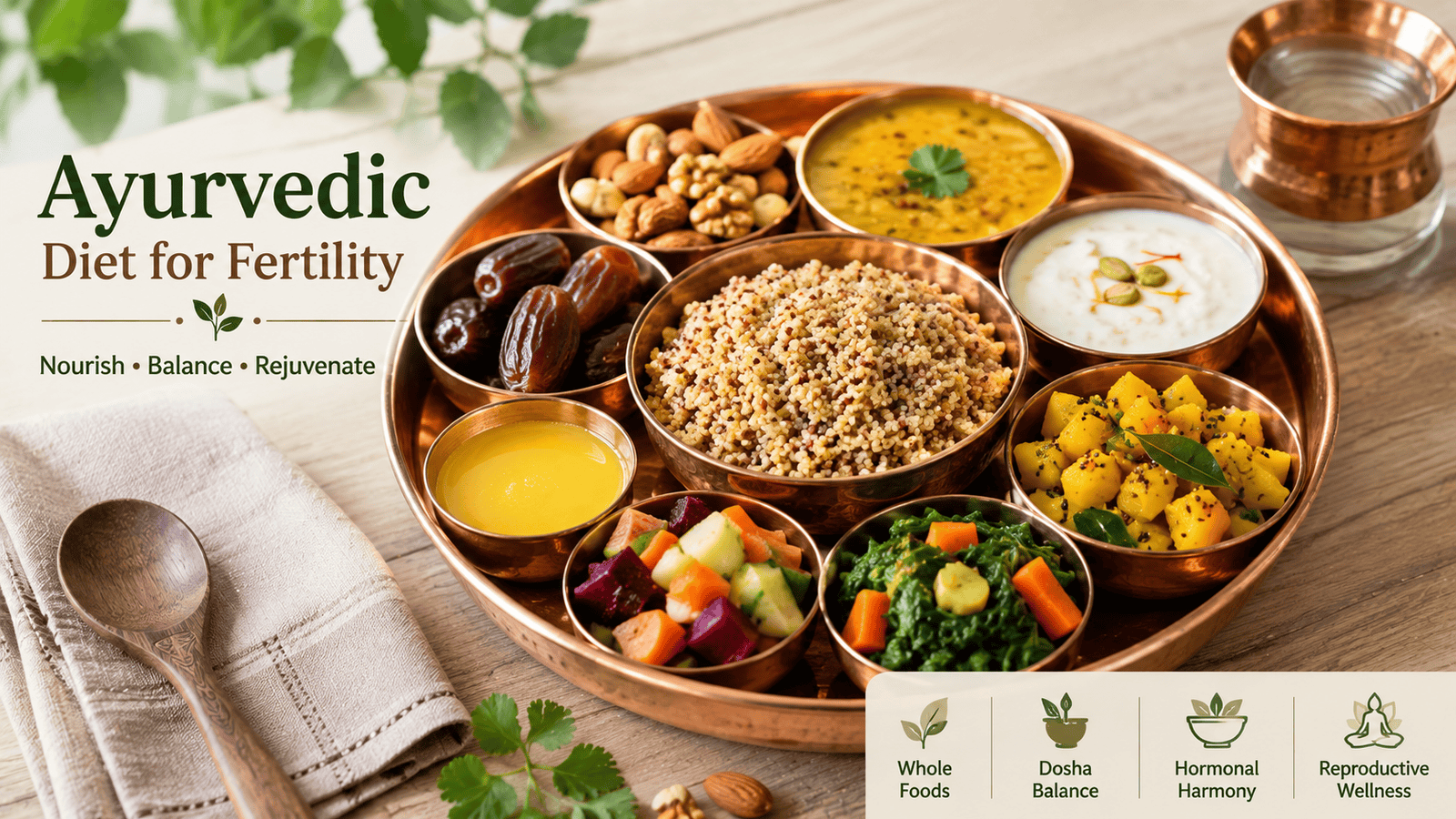
- Favoring warm, cooked, and easily digestible foods over cold, raw, or heavy meals, which can aggravate both Vata and the inflammatory process.
- Including anti-inflammatory spices such as turmeric, ginger, and cumin in daily cooking, which support digestion while helping modulate inflammation.
- Reducing excessive red meat, fried foods, and processed foods, all of which are associated with increased inflammatory markers.
- Limiting caffeine and alcohol, both of which can aggravate Vata and contribute to hormonal disruption.
- Incorporating healthy fats, such as ghee and flaxseed, which support anti-inflammatory processes and overall tissue nourishment.
- Maintaining regular meal timing, since irregular eating patterns are considered particularly aggravating to Vata dosha.
These dietary shifts aren’t intended as a quick fix but as a sustained foundation that, combined with herbal and Basti therapy, supports the body’s overall inflammatory and hormonal balance over time.
Why Early Ayurvedic Intervention May Help Preserve Fertility
One of the more pressing concerns for women with endometriosis is its potential impact on fertility, particularly as the condition progresses. Endometriosis can affect fertility through several mechanisms — adhesions distorting pelvic anatomy, inflammation affecting egg quality, and in more advanced cases, damage to the fallopian tubes or ovaries.
This is precisely why earlier intervention is generally considered more valuable than a wait-and-watch approach. Addressing the Vata-Kapha imbalance and reducing Raktaja Granthi activity before the condition progresses may help limit the extent of tissue changes and adhesion formation over time. Additionally, since chronic inflammation is understood to affect both egg quality and the broader reproductive environment, earlier anti-inflammatory intervention — through herbs, Basti, and diet — may help preserve a healthier reproductive environment for women who hope to conceive in the future.
For women already diagnosed with endometriosis and either currently trying to conceive or planning to in the future, combining Ayurvedic management with regular gynecological monitoring offers a more complete approach — addressing both the immediate clinical picture and the deeper, ongoing pattern that Ayurveda identifies as driving the condition.
The Takeaway
Ayurveda’s understanding of endometriosis as a Vata-Kapha disorder rooted in Raktaja Granthi offers a framework that goes beyond symptom management, aiming instead at the abnormal tissue growth process itself. Through anti-inflammatory herbs like Guggulu and Turmeric, targeted Basti therapy for pelvic Vata correction, and consistent anti-inflammatory dietary practices, Ayurvedic treatment offers meaningful support — particularly when started early, when the goal of preserving long-term fertility is most achievable.