PCOD PCOS Ayurvedic Treatment
Balance Hormones. Restore Ovulation. Support Natural Fertility.
PCOD PCOS Ayurvedic Treatment
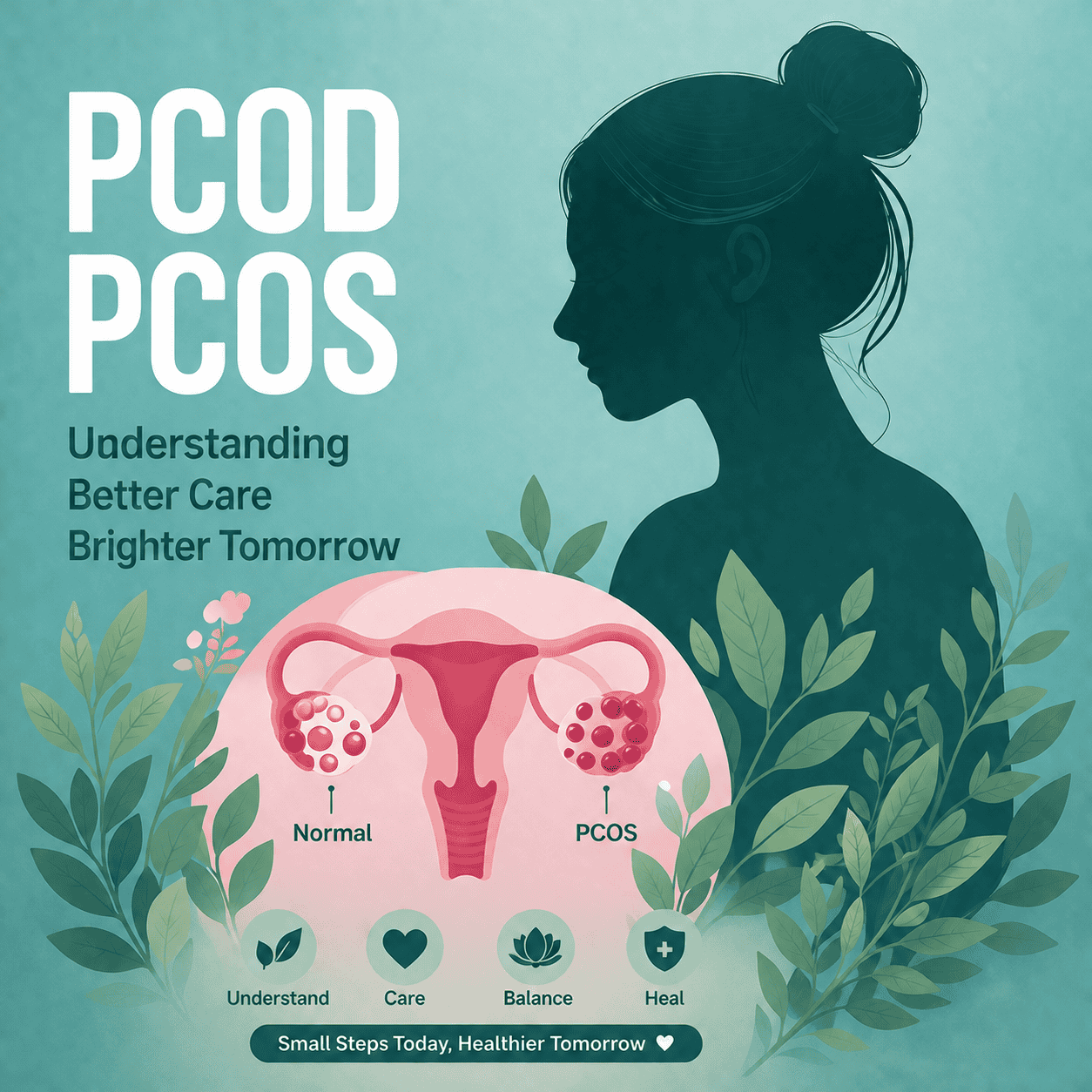
PCOD (Polycystic Ovarian Disease) and PCOS (Polycystic Ovary Syndrome) are among the most common reasons women visit the clinic for fertility concerns. Modern medicine describes them through hormones, insulin resistance, and ovarian cysts seen on ultrasound. Ayurveda looks at the same condition through the lens of Kapha and Ama — and PCOD PCOS Ayurvedic treatment is built around clearing that underlying congestion rather than only managing the symptoms it produces.
How Ayurveda understands PCOD PCOS
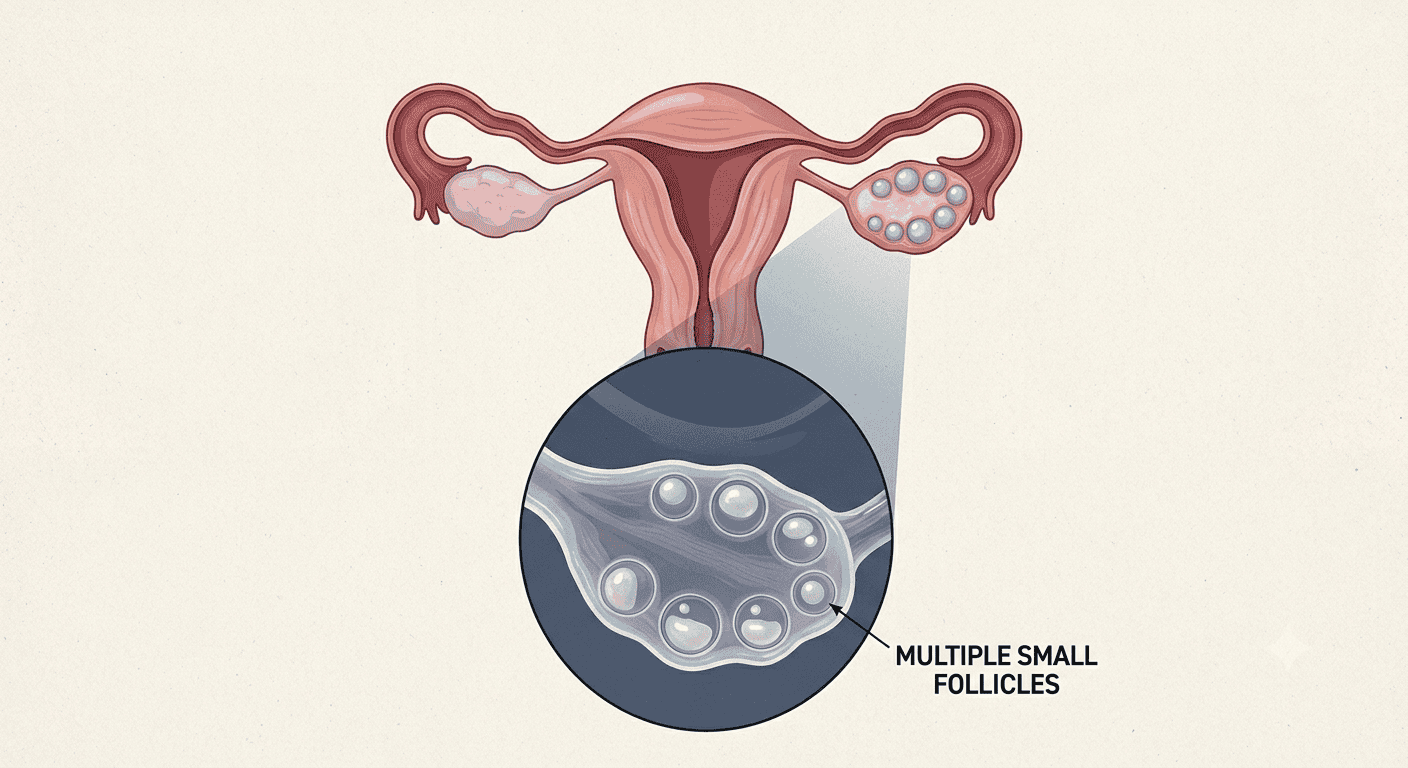
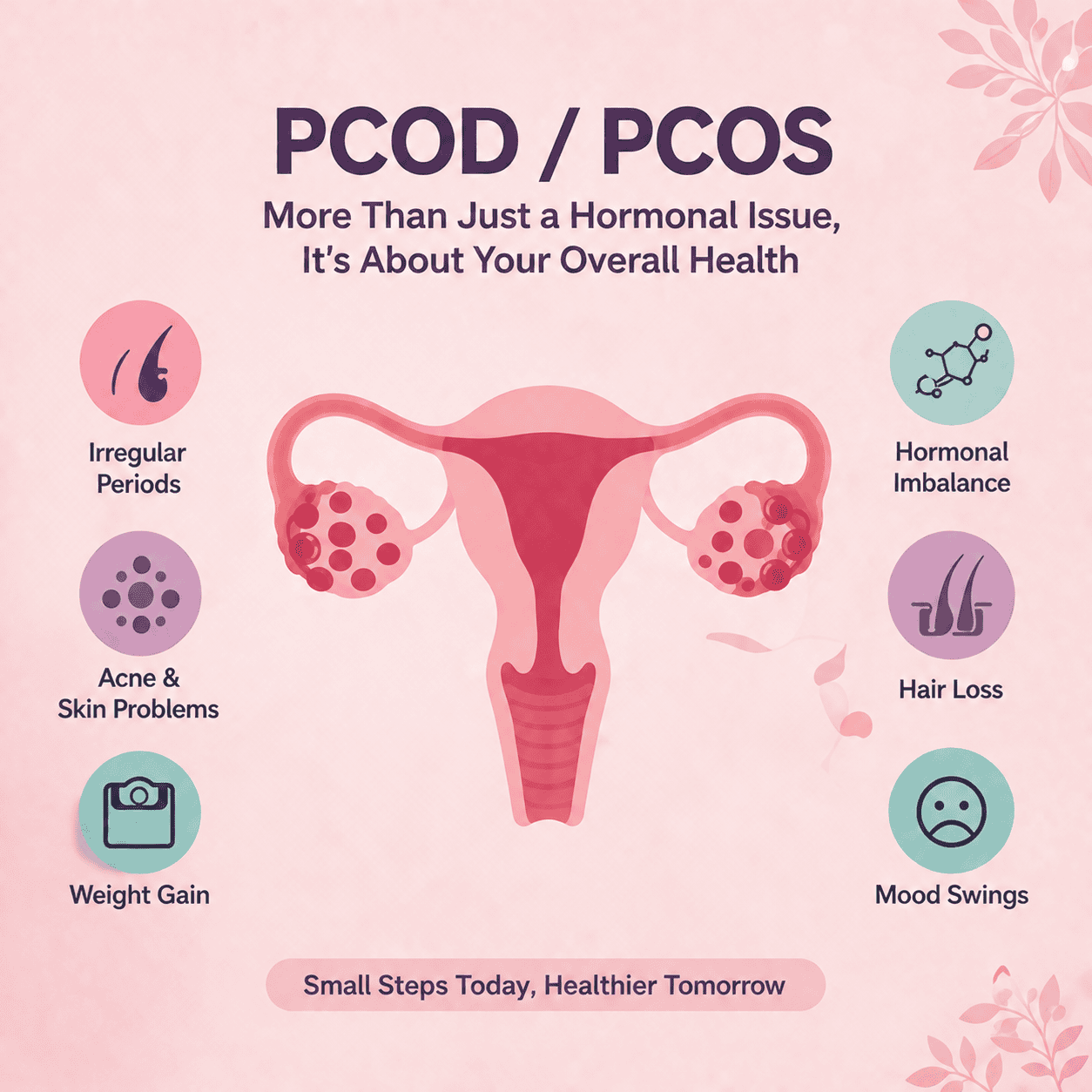
Ayurveda reads PCOD PCOS as a Kapha-dominant condition compounded by Ama — undigested metabolic toxin that accumulates when Agni (digestive fire) is weak. This Ama gradually blocks the Artava vaha srotas, the subtle channels that carry the reproductive tissue’s signals, preventing ovarian follicles from maturing and releasing normally. Over time this shows up as the pattern familiar to most women with PCOD PCOS — irregular or absent periods, weight gain, acne, excess facial or body hair, thinning scalp hair, and multiple small cysts visible on an ultrasound.
Because Kapha governs structure, lubrication and stability, its excess combined with Ama produces exactly the kind of sluggish, congested picture seen in PCOD PCOS — heaviness, slow metabolism, and cycles that stall rather than progress on schedule.
Three presentations of the same root problem
While Kapha and Ama are almost always at the centre of PCOD PCOS, the presentation shifts depending on which secondary dosha is disturbed:
- Kapha-dominant — weight gain, heaviness, sluggish or absent periods, and thick discharge. Usually driven by a sedentary lifestyle, a heavy or oily diet, and long-standing Ama accumulation.
- Vata-Kapha type — irregular, unpredictable cycles with anxiety and bloating layered on top of weight changes, typically from stress and an irregular routine added to existing Kapha congestion.
- Pitta-associated — acne, excess body heat, and irritability alongside the usual Kapha picture, usually from a heat-generating diet and stress adding Pitta to the base condition.
Recognising which pattern is dominant in a given woman is part of what shapes her treatment plan, since the herbs and therapies used differ accordingly.
Underlying causes
A few recurring causes sit behind most PCOD PCOS cases from an Ayurvedic standpoint:
- Agnimandya — weak digestive fire, allowing Ama to build up instead of being properly metabolised.
- Medo dushti — vitiation of fat tissue (Meda dhatu), closely tied to weight gain and insulin resistance.
- Srotorodha — Ama blocking the Artava vaha srotas, the direct cause of follicles failing to mature and release.
- Sedentary routine — reduced movement slowing Kapha metabolism and deepening congestion.
- Improper diet — excess heavy, oily, sugary, or processed food aggravating Kapha and Ama together.
- Chronic stress — long-term Vata disturbance layered on top of the Kapha-Ama picture, which is why stress often worsens cycle irregularity.
The treatment approach
PCOD PCOS Ayurvedic treatment at the clinic generally proceeds in stages — clearing Ama and reducing Kapha first, then rebuilding Artava dhatu so ovulation can normalise over successive cycles.
Panchakarma therapies used:
- Udvartana — herbal powder massage that reduces Kapha and supports fat metabolism.
- Virechana — therapeutic purgation to clear accumulated Ama and Kapha-Pitta toxins.
- Vamana — therapeutic emesis for deeper Kapha detoxification in more congested cases.
- Basti — medicated enema to correct the secondary Vata disturbance and support regular ovulation.
- Uttar Basti — local uterine therapy to nourish Artava dhatu in longer-standing cases.
- Abhyanga and Swedana — oil massage with steam to improve circulation and support Kapha reduction.
Supporting herbal formulations commonly include Kanchnar Guggulu, Guduchi, Shatavari, Triphala, Chandraprabha Vati, and Punarnava — selected according to which dosha pattern is dominant and the woman’s Prakriti (constitution).
Diet and lifestyle alongside treatment
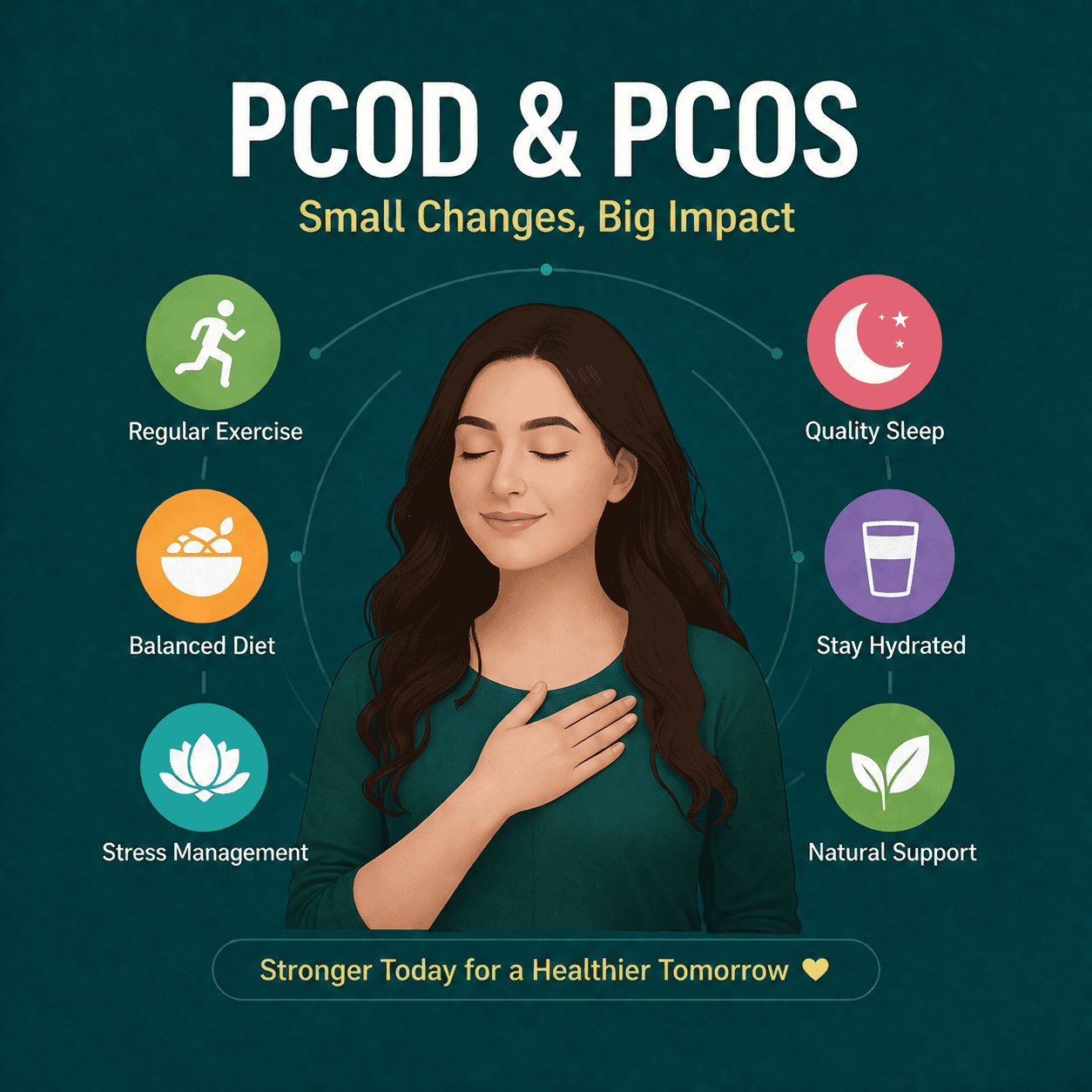
Because PCOD PCOS is largely a Kapha-Ama condition, daily routine plays a direct role in how well treatment works. Light, warm, freshly cooked meals with bitter and pungent tastes are generally favoured, along with daily physical activity such as brisk walking, yoga, or Surya Namaskar. An early, light dinner and consistent meal timing help keep Agni strong, while waking with the sun supports an active daily rhythm.
Fried, oily, and sugary foods; dairy-heavy or excessively cold foods; daytime sleeping; and late nights with irregular meal timing are generally avoided, since each of these re-feeds the same Kapha-Ama cycle that caused the condition.
What to expect from treatment
Most women are monitored across three to six menstrual cycles, since clearing Ama and rebuilding Artava dhatu is a gradual process rather than an immediate fix. Many manage PCOD PCOS through Panchakarma and herbal medicine alone; others use Ayurvedic treatment alongside hormonal medication prescribed elsewhere, and Dr. Sagar Narkhede advises on what fits best after reviewing existing reports. Since PCOD PCOS commonly interferes with regular ovulation, treating the underlying Kapha-Ama imbalance is often the first step in a broader fertility plan for women trying to conceive.
If you’re dealing with irregular periods, weight gain, acne, or ovarian cysts and are looking for PCOD PCOS Ayurvedic treatment, Dr. Narkhede Ayurved & Panchkarma Clinic offers a personalised consultation with Dr. Sagar Narkhede to identify your dosha pattern and recommend the right combination of Panchakarma, herbal medicine, and daily routine.